
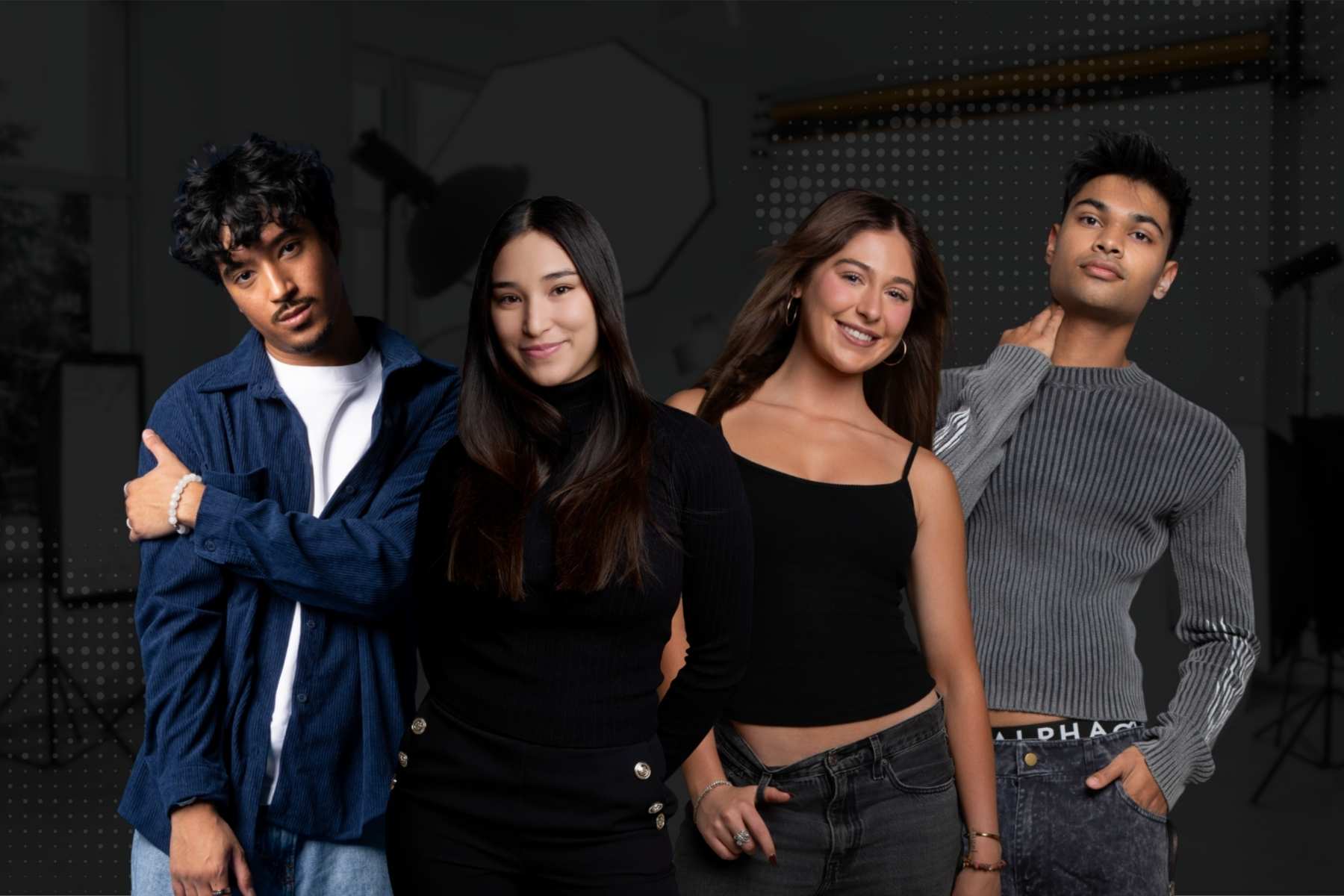

So you want to know how to become a model in Australia. Good — you’re asking the right question, and the fact that you’re researching rather than just hoping to be “discovered” already puts you ahead of most people.
The Australian modelling industry is smaller than the US or UK markets, but it’s thriving. With fashion weeks in Melbourne and Sydney, a booming e-commerce sector, and brands increasingly casting real, diverse faces, there’s a genuine opportunity here — if you approach it properly.
This guide covers everything you need to know to get started in 2026, from the different types of modelling work available to what agencies actually look for and how to avoid the mistakes that trip up most beginners.
What Types of Modelling Work Are Available in Australia?
Before you do anything else, get clear on what kind of modelling you’re actually suited to. “Model” doesn’t just mean runway. Here are the main categories of work available in Australia right now:
Fashion and Editorial
This is what most people picture — magazine shoots, designer campaigns, runway shows. Height requirements are stricter here (typically 175cm+ for women, 185cm+ for men), and agencies look for strong bone structure, proportions and that hard-to-define “editorial” quality. Australian Fashion Week and brands like Zimmermann, Aje and Camilla regularly cast through agencies.
Commercial and Catalogue
The bread and butter of the industry. Think product campaigns, retail catalogues, lifestyle advertising, and brand content. Height and size requirements are far more flexible because brands need models who reflect their customer base. This is where the majority of paid work sits.
E-Commerce
Online retail has exploded the demand for e-commerce models. Brands like The Iconic, Showpo and hundreds of smaller labels need models constantly. The work is fast-paced — you might shoot 40-80 outfits in a single day — but it pays well and the bookings are consistent.
Fitness and Sports
If you have an athletic build and genuinely train, fitness modelling is a strong niche. Supplement brands, activewear labels and sports campaigns all cast fitness models. You don’t need to be a bodybuilder — lean, healthy and toned is what most clients want.
Parts Modelling
Hands, feet, legs — parts modelling is a real category and a surprisingly lucrative one. If you’ve been told you have beautiful hands, this might be your niche.
Influencer and Content Creation
The line between modelling and content creation has blurred significantly. Many agencies now represent talent who combine traditional modelling with a social media presence. If you’ve built an engaged following, that’s a genuine asset.
What Do Modelling Agencies Actually Look For?
Let’s clear something up: agencies aren’t looking for the “prettiest” person. They’re looking for people they can book. That means a combination of the right look for current market demand, professionalism, and reliability.

Here’s what matters:
- A distinctive look. Not cookie-cutter perfection. Something memorable — interesting features, strong bone structure, a face the camera loves. Freckles, gaps in teeth, unique features — these are assets, not flaws.
- The right physical attributes for your category. This varies by type of work. Fashion has stricter requirements. Commercial is much broader.
- Good skin. You don’t need flawless skin, but clear, healthy skin photographs well and makes the hair and makeup team’s job easier.
- Personality and professionalism. Agencies need talent who show up on time, take direction well, and are easy to work with on set. Clients rebook reliable models. Difficult ones get quietly dropped.
- Confidence without arrogance. There’s a difference between someone who’s comfortable in front of a camera and someone who thinks they’re doing everyone a favour by being there.
At Hunter Talent, we represent models, actors and influencers across Melbourne and Sydney, and one thing we consistently see is that the talent who build lasting careers are the ones who treat it as a profession from day one.
How Do You Start a Modelling Career in Australia?
Here’s a realistic, step-by-step approach to how to become a model in Australia — no shortcuts, no gimmicks.
1. Get Honest Photos
Before approaching any agency, you need decent photos. Not heavily filtered selfies — clean, well-lit images that show what you actually look like. Agencies want to see the real you.
You don’t need a $2,000 test shoot straight away. A few clear photos in natural light with minimal makeup are a perfectly good starting point for an initial application. A front-on shot, a profile, and a full-length image will cover the basics.
2. Build a Proper Portfolio
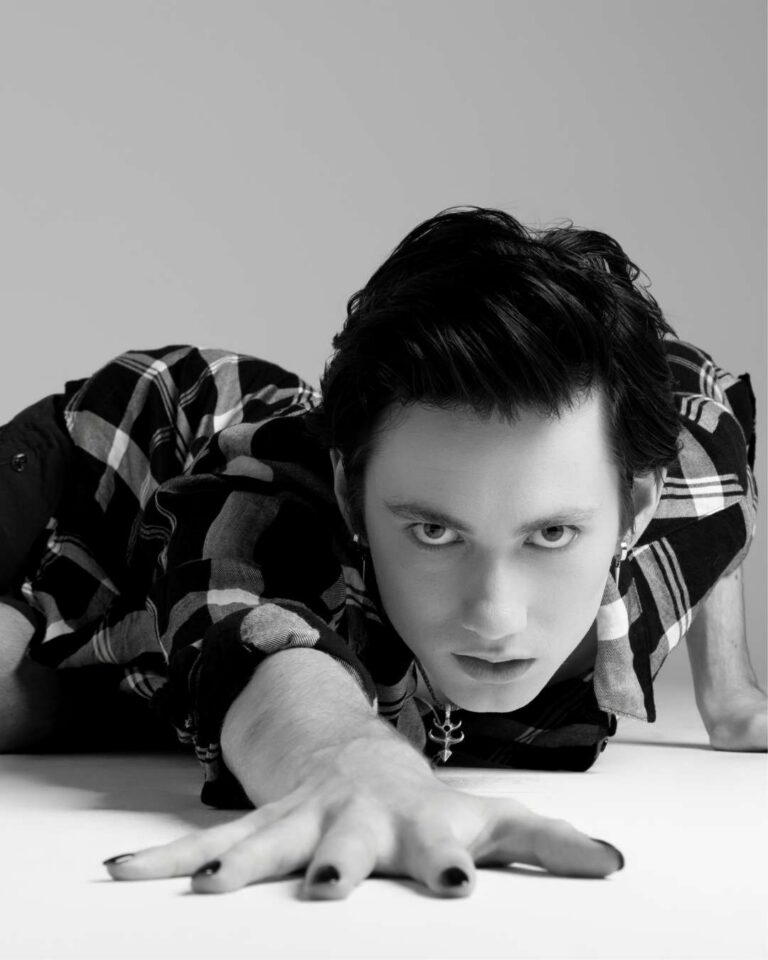
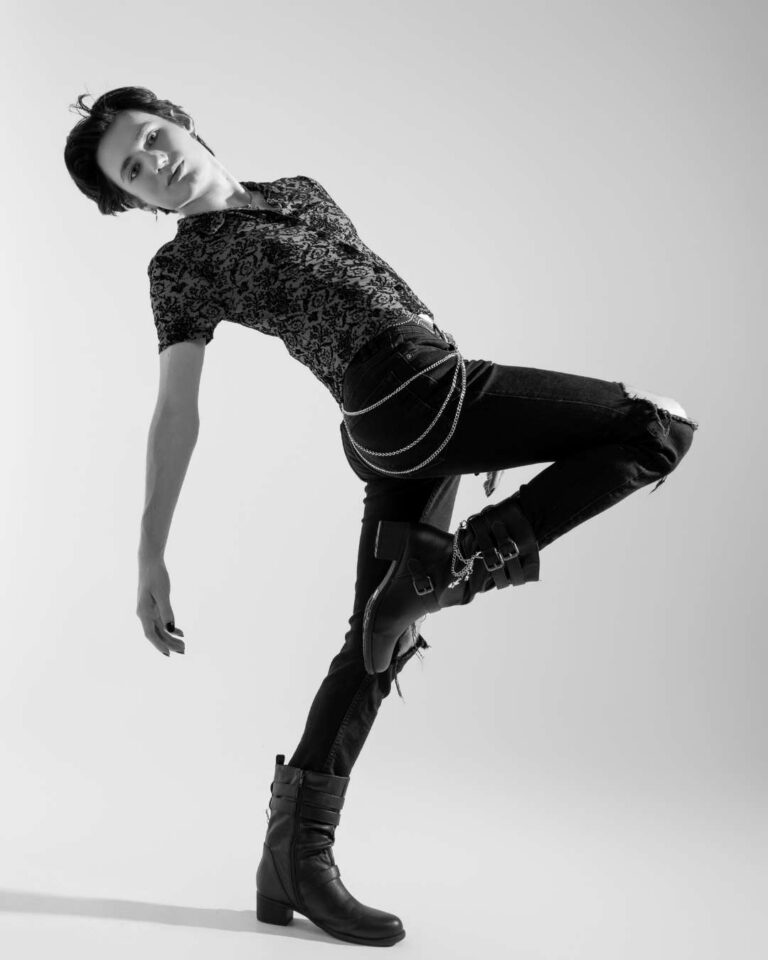
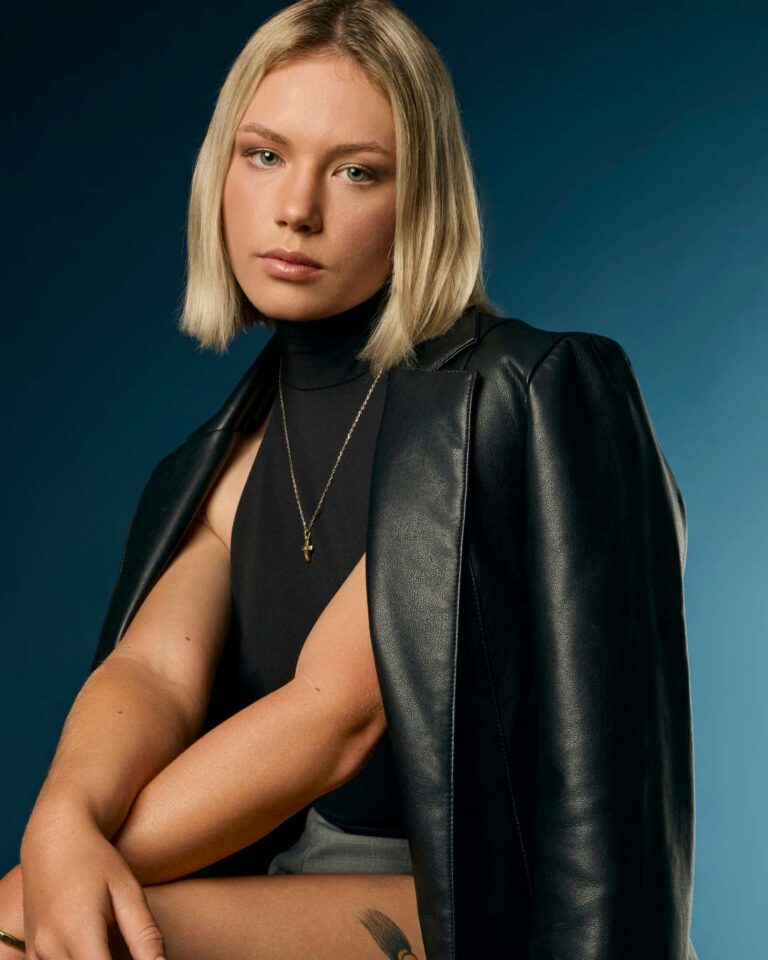
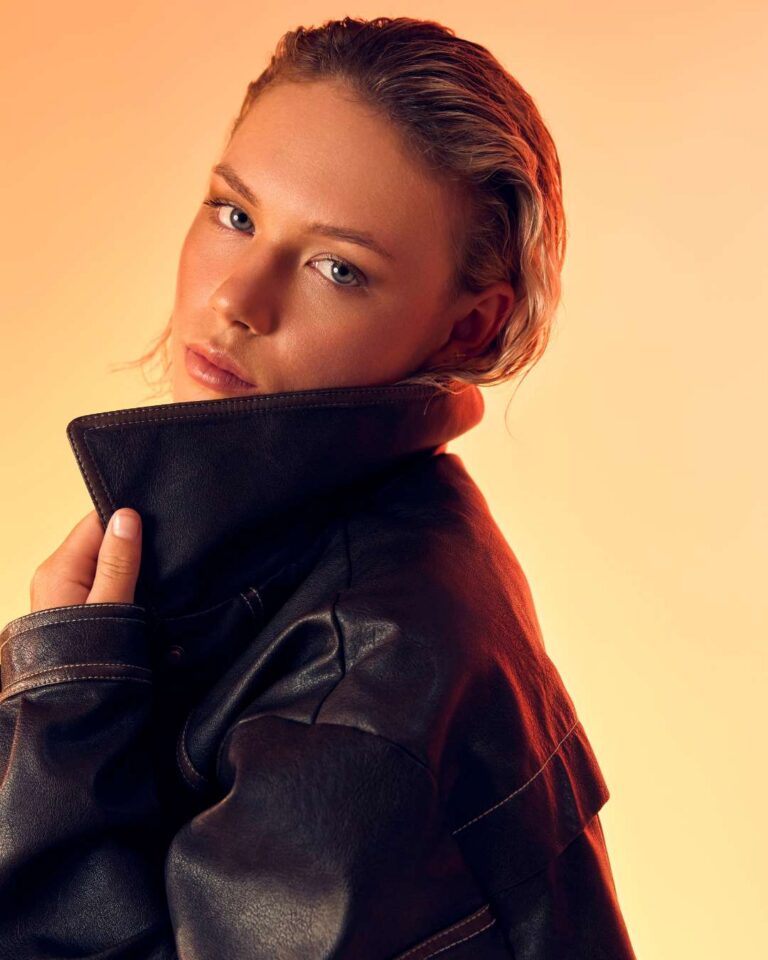
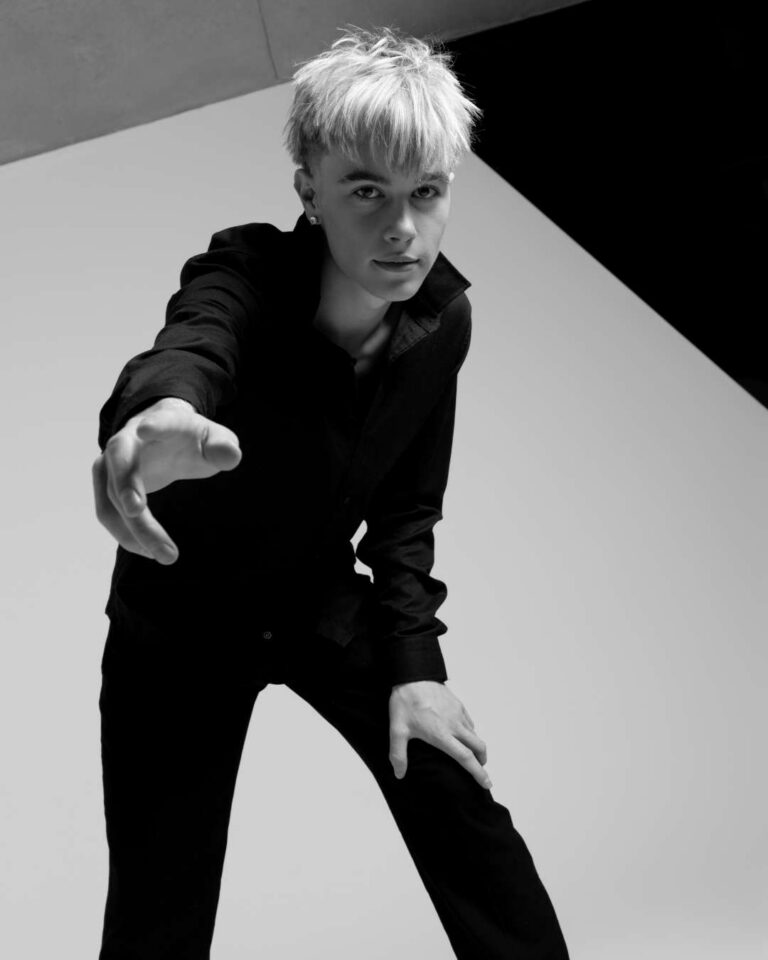
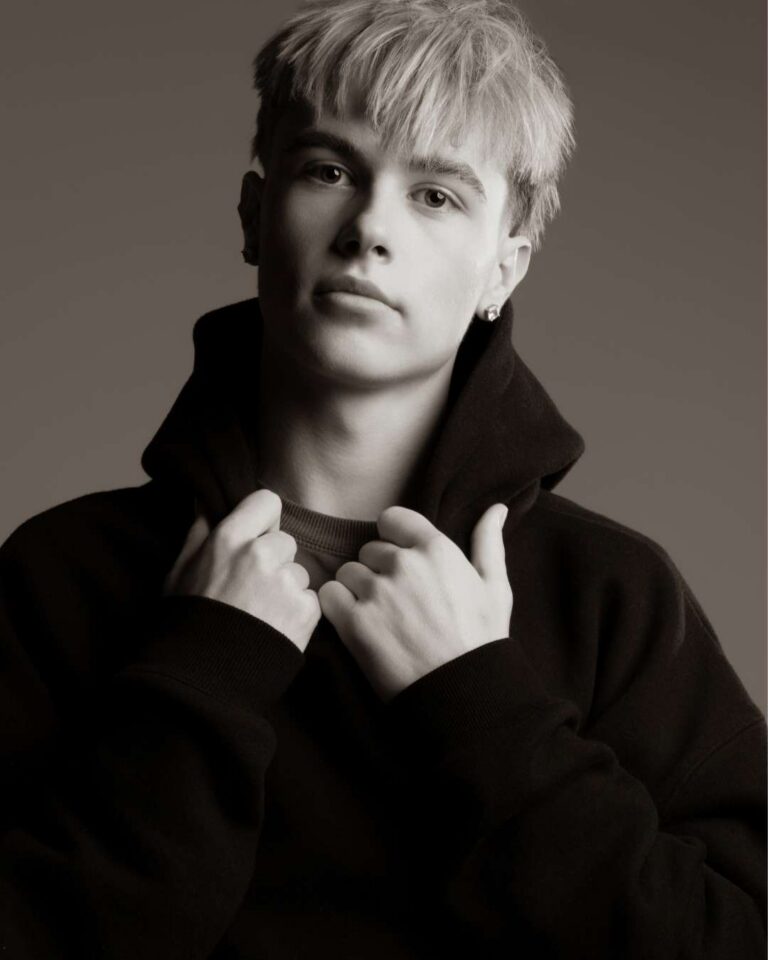
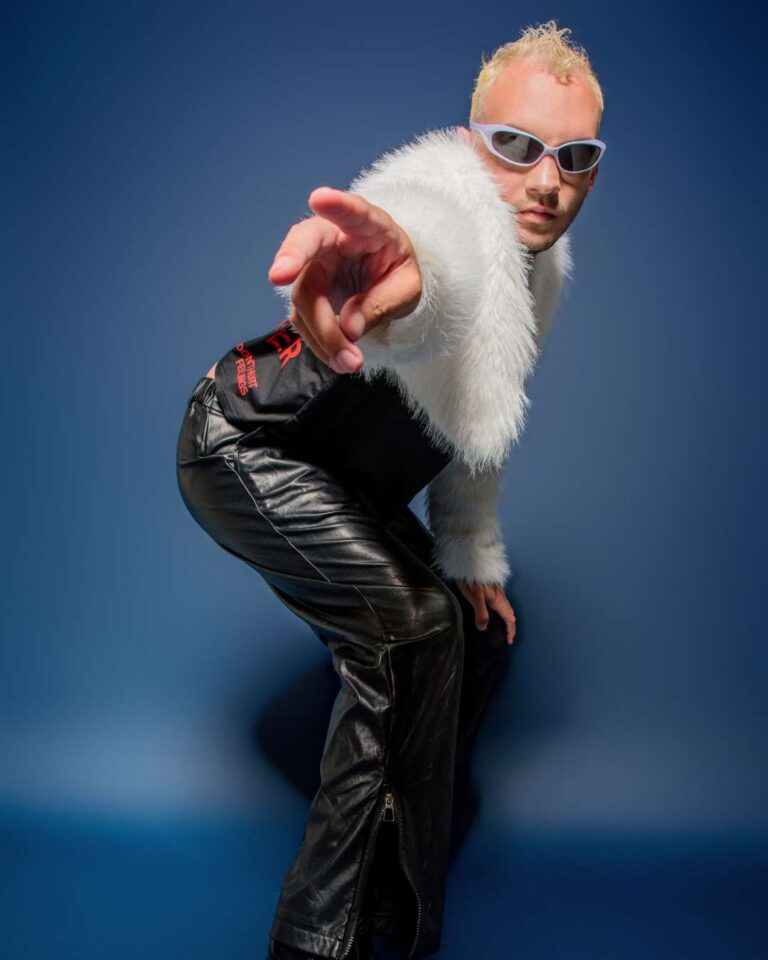
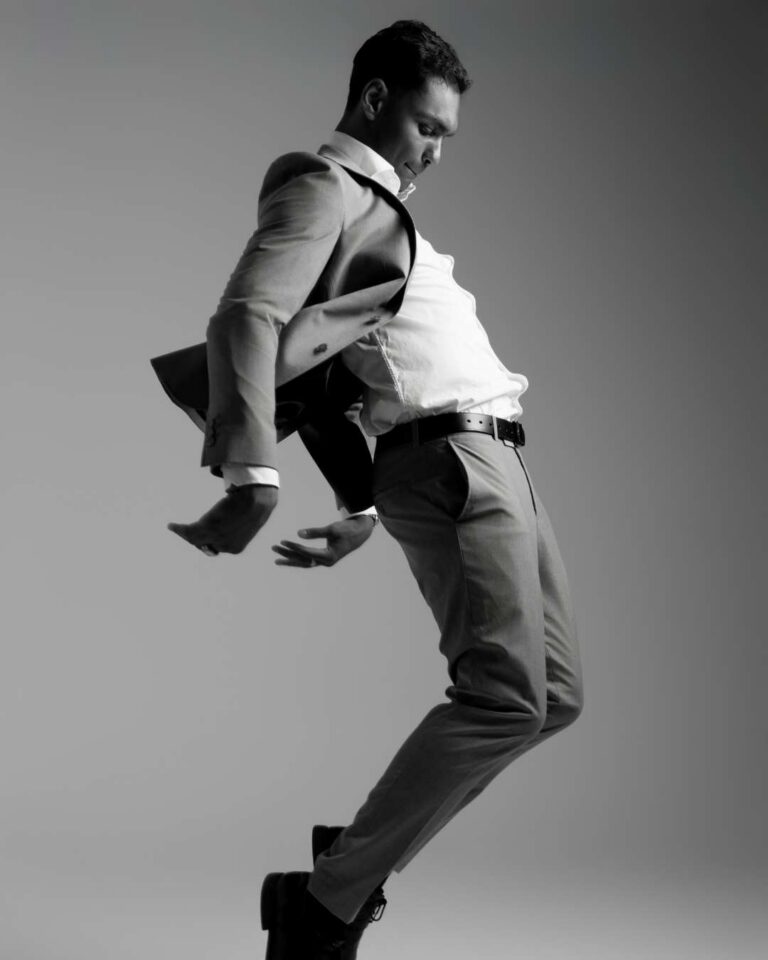
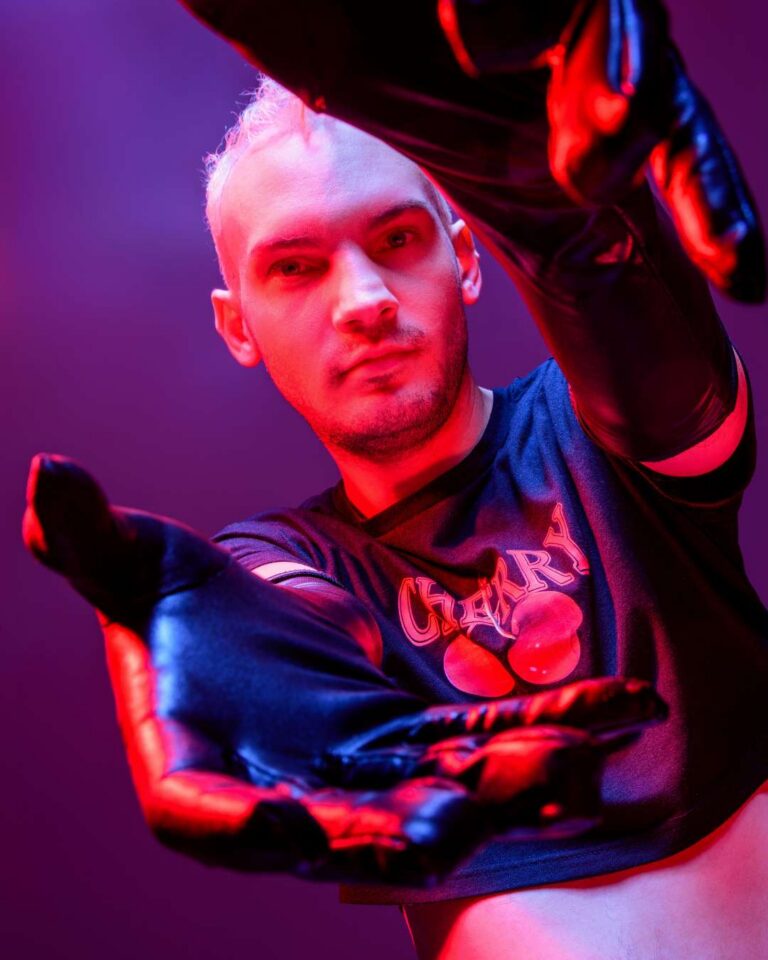
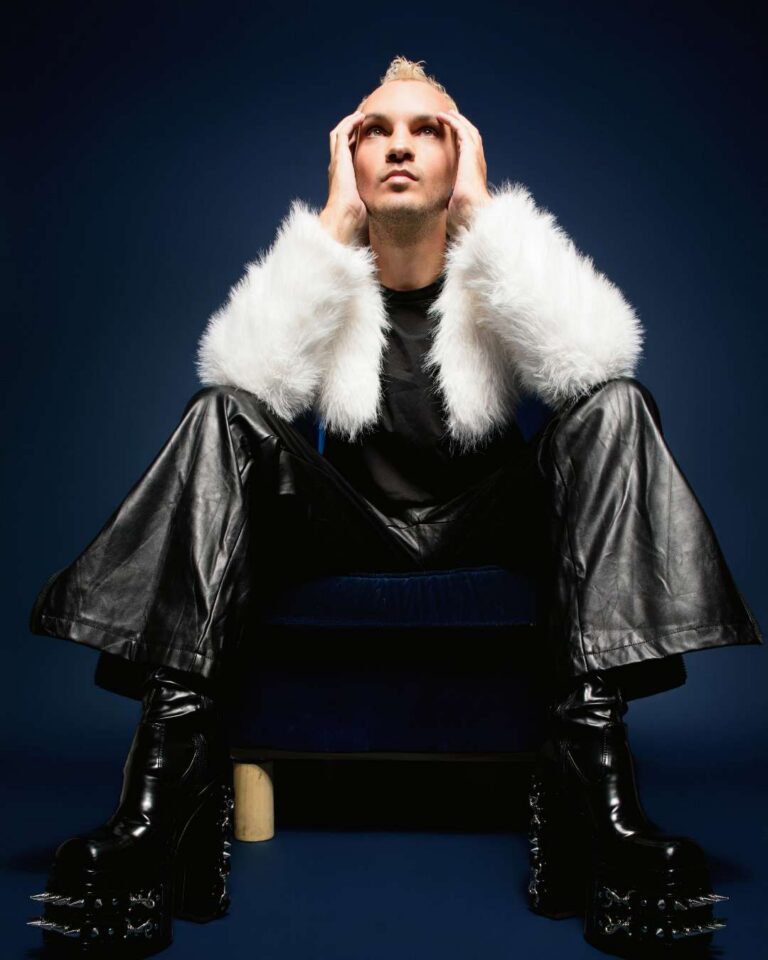
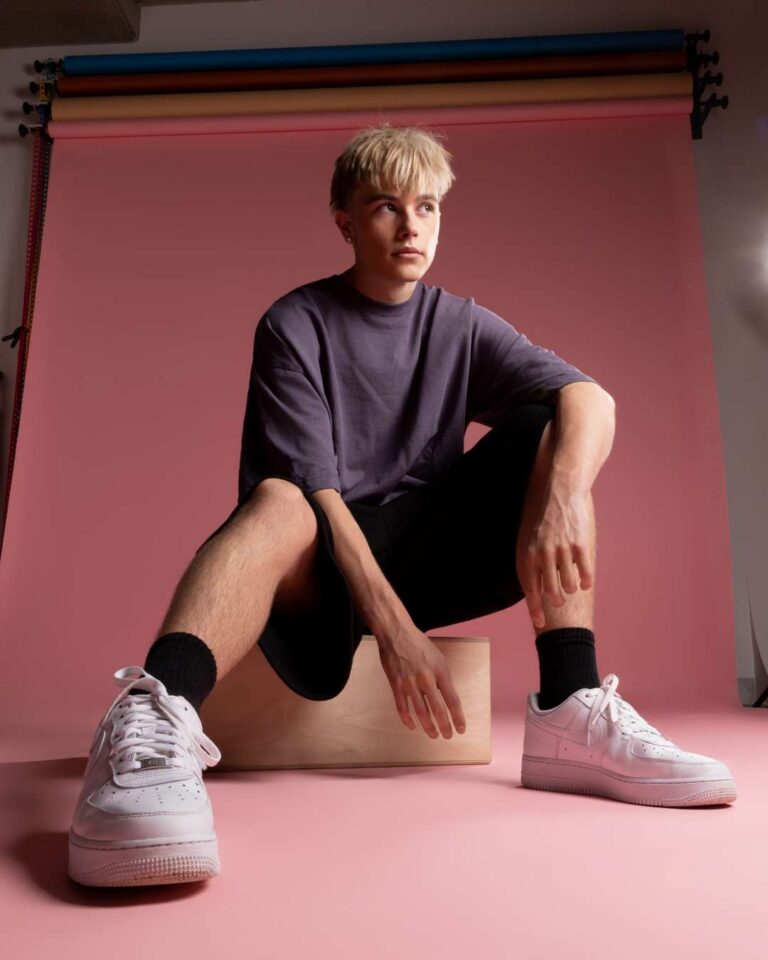
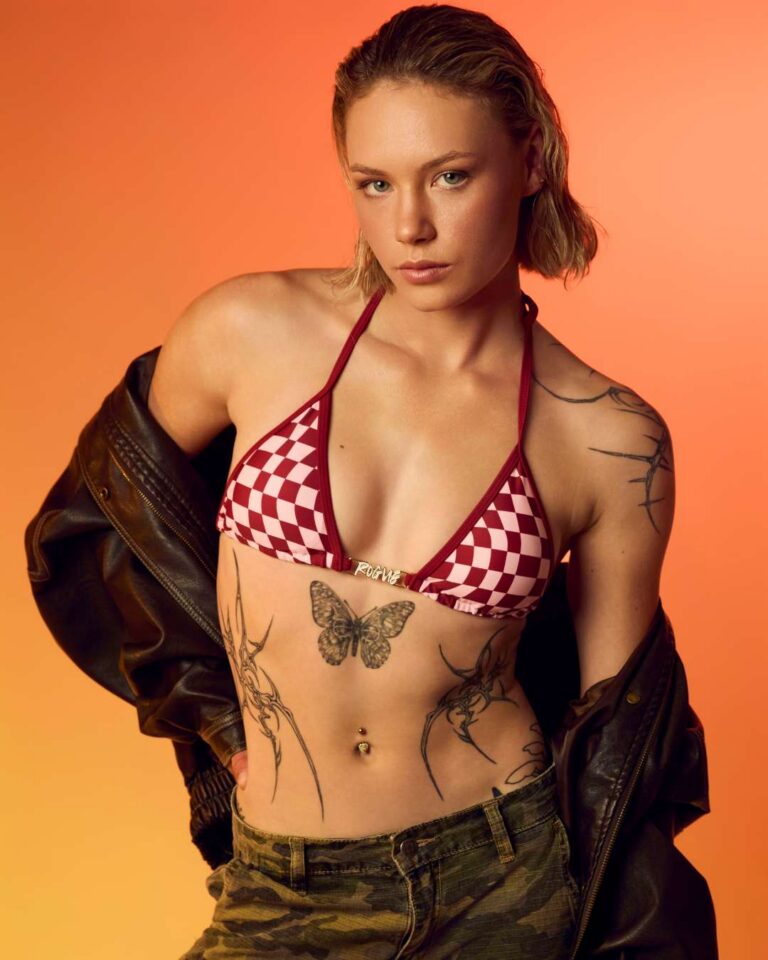
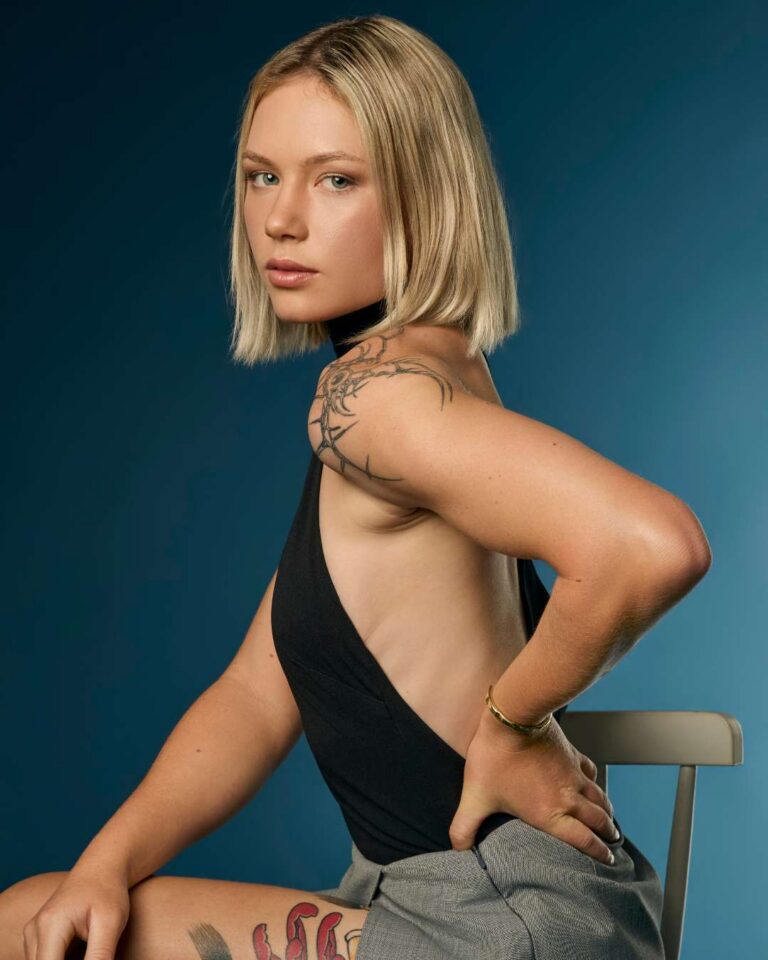
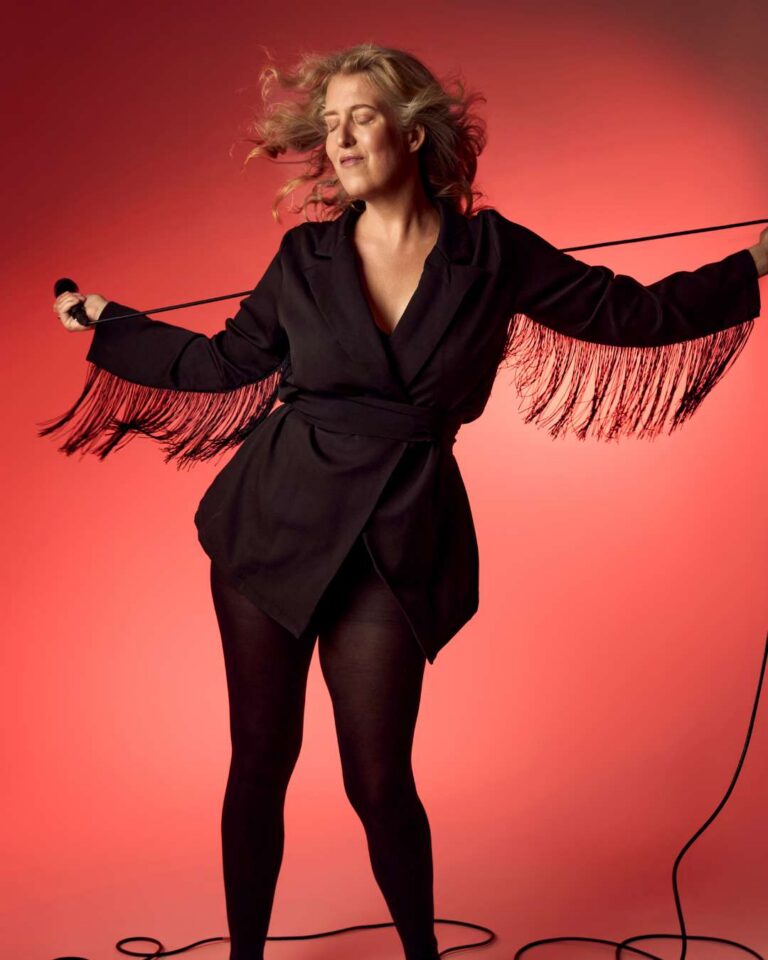
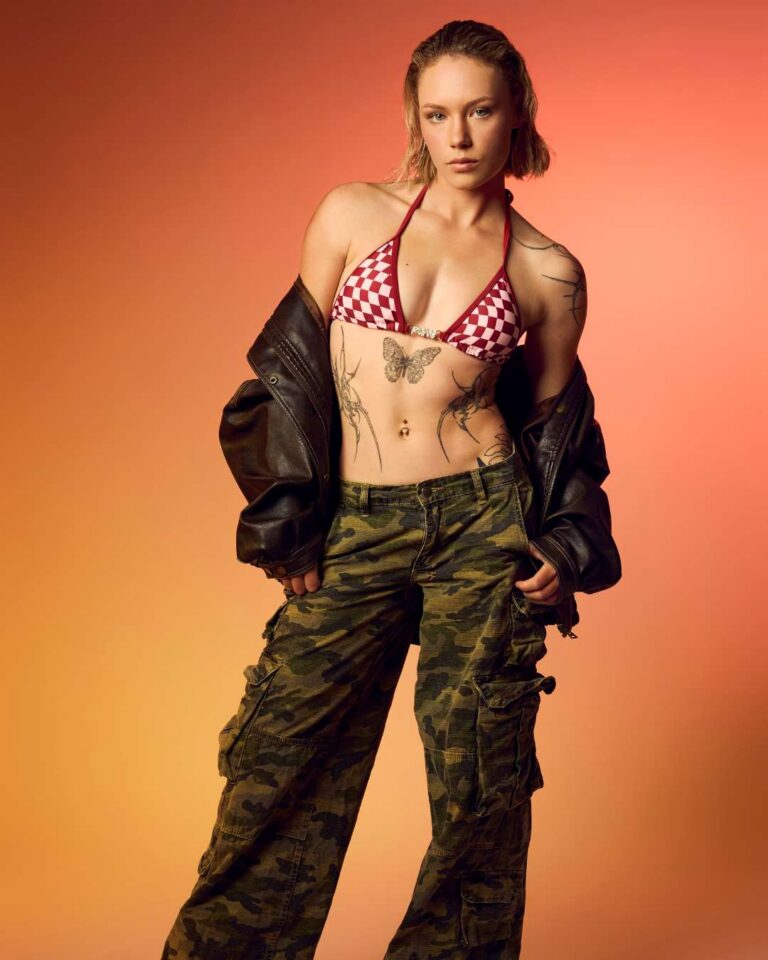
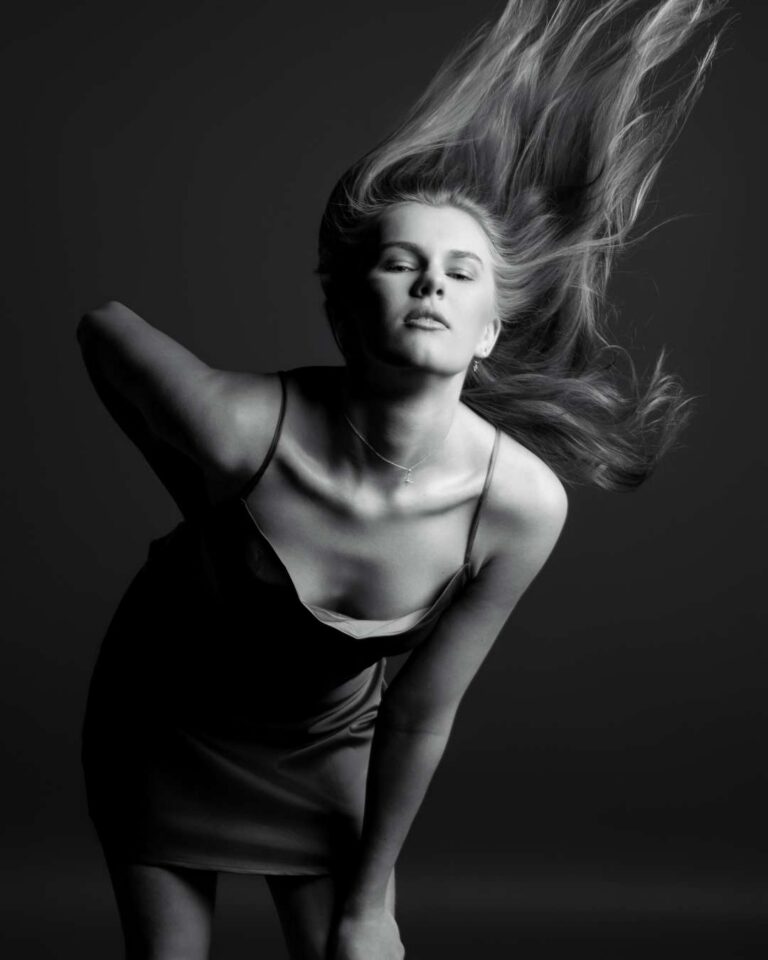
Once you’re serious, invest in professional portfolio images. A strong portfolio is your calling card — it’s what gets you castings and bookings.
Our sister company POP Photography offers editorial photoshoots specifically designed for aspiring and working models, with a range of session types to suit your goals and budget. It’s a smart way to get high-quality images without spending thousands.














3. Apply to Reputable Agencies
Research agencies carefully. Look for established businesses with a track record, a visible roster of talent, and genuine industry connections. Check their reviews and reputation.
A legitimate agency will never ask you to pay upfront fees to join their books. They earn commission when you get booked — that’s how the model works. If someone asks for hundreds or thousands of dollars just to “sign” you, walk away.
You can submit an application to Hunter Talent here — it takes about five minutes and there’s no cost involved.
4. Enter Competitions and Open Calls
Model search competitions are a legitimate pathway into the industry. We run monthly model search competitions that give aspiring talent a real shot at getting signed. Open casting calls and scouting events are also worth attending — they still happen, and agencies do find new faces through them.
5. Develop Your Skills
Modelling is a skill. Learn how to move in front of a camera, how to take direction, how to pose naturally. Watch behind-the-scenes footage from professional shoots. Practice expressions in the mirror — it sounds ridiculous, but every working model has done it. If you’re interested in runway, learn to walk properly. YouTube is free.
What Are the Most Common Mistakes Aspiring Models Make?
After years of working with aspiring models, these are the patterns we see over and over:
- Over-editing photos. Heavy retouching, extreme filters, and FaceTune don’t help your application. They hurt it. Agencies want to see what they’re working with.
- Applying to every agency simultaneously. Do your research. Target agencies that represent your type and category. A scattergun approach signals that you haven’t done your homework.
- Expecting overnight success. Most working models spent months — sometimes years — building their career before getting consistent bookings. The ones who last are the ones who stuck with it.
- Ignoring your online presence. Clients will search your name. Make sure your social media is something you’d be comfortable with a brand seeing.
- Falling for scams. If it sounds too good to be true, it is. Legitimate agencies don’t guarantee work, don’t charge joining fees, and don’t pressure you into expensive courses or photoshoots.
What Are Realistic Expectations for a New Model in Australia?
Let’s be straight: not everyone who wants to model will build a full-time career from it. But that doesn’t mean it’s not worth pursuing.
Many of our talent work modelling around other jobs or study. Some do it part-time and earn excellent money. Others build it into a full-time career over time. A few break through quickly. There’s no single path.
What we can tell you is that the demand for models in Australia is strong in 2026. E-commerce continues to grow, brands are casting more diversely than ever, and content creation has opened up entirely new categories of work that didn’t exist five years ago.
If you’ve got the look, the drive, and the willingness to treat it professionally, there’s real opportunity here.
Ready to Take the First Step?
If you’re serious about learning how to become a model in Australia and you want to work with a professional agency that genuinely invests in its talent, we’d love to hear from you.
Learn more about modelling with Hunter Talent, or go ahead and submit your application. It’s free, it takes five minutes, and it could be the start of something serious.

Your Step-by-Step Guide to Becoming a Model in Australia
At Hunter Talent, we’ve walked thousands of applicants through this exact process. Follow these seven steps in order and you’ll give yourself the best possible shot at signing with a reputable Australian agency.
1. Start with an Honest Self-Assessment
Before you spend a cent or send a single application, get clear on what kind of model you actually are. Commercial, fashion, fit, plus-size, mature, petite, and character are all distinct categories with different requirements. Stand in front of a mirror, look at current campaigns from brands you recognise, and work out where you realistically fit.
2. Take Simple Test Photos at Home
You don’t need a professional photographer to apply. Grab a friend, stand against a plain wall in natural daylight, and capture a clean headshot, a full-length shot, and a side profile. Wear form-fitting clothing in neutral colours and skip the heavy makeup. Agencies want to see the real you, not a filtered version.
3. Research Agencies That Match Your Look
Not every agency represents every type of model. Spend an afternoon studying the rosters of Australian agencies and shortlist the ones whose existing talent share your age range, height, and vibe. Hunter Talent covers commercial, lifestyle, and fashion across Melbourne and Sydney, but always do your own homework before applying anywhere.
4. Submit Applications to Three to Five Agencies
Apply to a handful of agencies at once rather than pinning your hopes on just one. Use the official channels on each agency website and never pay an upfront fee just to be considered. You can start your Hunter Talent application at /application-form/, which takes about five minutes to complete.
5. Attend Your Interview or Casting
If an agency likes your submission, they’ll invite you in for a chat or a casting. Dress simply, arrive on time, and bring photo ID. This meeting is as much about personality and professionalism as it is about looks, so be yourself, ask questions, and treat it like any other important interview.
6. Sign Your Management Agreement
If the agency offers representation, read the contract carefully before signing. Understand the commission structure, the term length, whether it’s exclusive, and what services are included. Learn more about how ethical representation works at /model-management/ before you put pen to paper.
7. Build Your Portfolio Properly
Once signed, your agency will guide you through building a professional portfolio that matches the Australian market. This usually involves a structured shoot with proper lighting, styling, and direction. Hunter Talent offers two portfolio options: the $99 Signature session and the $249 Star for a Day package, which includes hair and makeup.
Frequently Asked Questions About Modelling in Australia
How much do models earn in Australia?
Earnings vary enormously depending on the type of work. Commercial day rates in Australia typically sit between $800 and $2,500 for experienced models, while top fashion and campaign work can command $5,000 to $15,000 per day. Catalogue and e-commerce shoots generally pay $400 to $1,200 per day, and TVC (television commercial) bookings often include usage fees on top of the shoot rate, which can push total earnings well past $10,000 for a single job. New models on their first few bookings should expect the lower end of these ranges while they build experience and a professional reputation.
What height do I need to be a model in Australia?
Height requirements depend entirely on the category. High-fashion and runway typically ask for women 175cm and above and men 183cm and above. Commercial modelling, which is the biggest segment of the Australian market, has no strict height requirement at all. Lifestyle, catalogue, plus-size, mature, and character work all prioritise personality, relatability, and on-camera presence over measurements. If you’re under 170cm and passionate about modelling, commercial representation is absolutely achievable.
Can I model if I'm over 30?
Yes, and the mature market in Australia is growing fast. Brands now cast models in their thirties, forties, fifties, and well beyond for everything from superannuation campaigns to fashion, wellness, travel, and healthcare advertising. Authenticity sells, and older models are in consistent demand. If you’re over 30 and considering representation, visit /become-a-model/ to see how we work with mature talent.
Do I need experience to apply to a modelling agency?
No. Reputable Australian agencies, including Hunter Talent, sign unrepresented newcomers every week. What matters is that you submit clean, honest photos, meet the general requirements for your category, and present yourself professionally. Prior experience can help, but it’s certainly not a prerequisite. Many of the models on our books started with zero industry background and built their careers from their very first application.
How long does it take to get your first booking?
Timelines vary. Some new models get cast within a fortnight of signing, while others wait three to six months for the right brief to come through. It depends on your look, the current market demand, and how quickly you complete your portfolio and digital profile. Staying responsive to casting requests, keeping your measurements current, and being flexible with availability all speed up the process significantly.
Is modelling a viable full-time career in Australia?
For a committed minority, yes. The models earning a full-time living are typically versatile, reliable, and based in Sydney or Melbourne where the bulk of commercial production happens. Most working models treat it as a strong supplementary income alongside other pursuits, which is actually the healthiest approach. The Australian market rewards professionals who show up prepared, take direction well, and build long-term relationships with casting directors and brands.
The Australian Modelling Industry: By the Numbers
Australia’s modelling and talent industry is a small but lucrative slice of a broader advertising and content production market worth more than $20 billion annually. Sydney and Melbourne account for the overwhelming majority of paid bookings, with commercial, lifestyle, and e-commerce work making up roughly 80 percent of all jobs booked through agencies nationwide. Fashion editorial and runway, while more visible culturally, represent a much smaller share of actual paid work.
Day rates have held steady in recent years, with commercial shoots averaging $1,200 to $1,800 for mid-level talent and premium campaigns regularly exceeding $5,000. Major Australian brands consistently casting local models include Bonds, Cotton On, Country Road, David Jones, Myer, Kmart, Target, Woolworths, Coles, Rebel Sport, and Bunnings, alongside global names like Nike, Adidas, and Uniqlo running Australian-specific campaigns. Financial services, telcos, and health funds are also heavy bookers of commercial talent for TVCs and print.
E-commerce has been the standout growth area, with online retail now driving a huge portion of weekly catalogue bookings across both cities. The rise of social-first content has also created consistent demand for models comfortable on camera for short-form video, UGC-style content, and branded reels. At Hunter Talent, we’ve seen bookings for digital-first campaigns roughly double over the past three years, and that trend shows no sign of slowing.